Amusement Park Must-Have Rides – What Every Park Actually Needs
A no-BS guide based on real-world operations, not just marketing brochures.
The real question isn’t what rides look cool. It’s what rides actually make money.
I’ve been around this industry long enough to see park owners make the same mistake over and over. They walk into a trade show, see some flashy prototype with neon lights and a 360-degree loop, and sign a contract on the spot. Six months later, they’ve got a ride that looks great on Instagram and absolutely kills their maintenance budget.
Your ride lineup isn’t a collection of your personal favorites. It’s a business decision. Every ride you install takes up space, consumes power, needs staff, and has to justify its existence through ticket sales or park attendance.
Based on what I’ve seen across hundreds of parks — from small family-run operations in the Midwest to massive theme parks in Asia and Europe — here are the ride categories that consistently deliver.
📍 Before we start: geography changes everything
A ride that works in a permanent park in Orlando might flop at a traveling carnival in rural France. The difference isn’t just about weather. It’s about:
- Local competition – What do nearby parks already offer?
- Demographics – Are your visitors mostly families, teenagers, or tourists?
- Seasonality – Can you operate year-round, or do you close for winter?
- Maintenance access – Can you get spare parts locally, or are you waiting six weeks for a shipment from overseas?
Keep these in mind as we go through each category. I’ll point out where geography changes the decision.
1. Roller Coasters – The Anchor Attraction
Look, you don’t have to have a roller coaster. But if you’re building a park that wants to be taken seriously — especially if you’re competing with regional destinations — you need something with tracks.
But here’s where most people get it wrong. They think bigger is better. A 150-foot drop looks impressive on the brochure, but it also means higher insurance premiums, stricter inspections, more expensive spare parts, and a narrower audience (many visitors are too scared to ride).
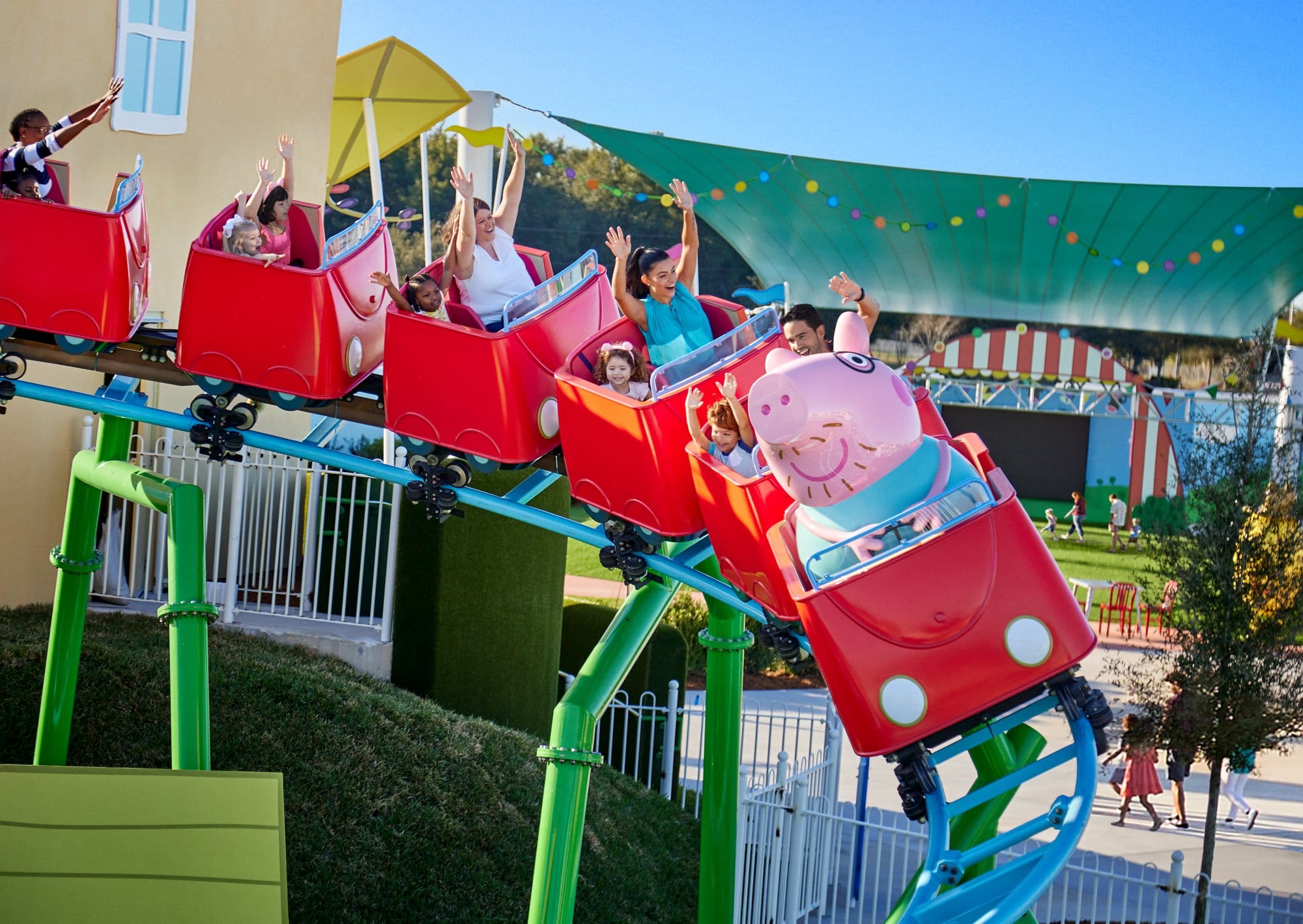
What actually works better for most parks? A family coaster. Families buy tickets as a group. If mom and dad aren’t riding, they’re not paying. A family coaster — something with a gentle drop, smooth curves, and a comfortable speed — gets everyone on board. It becomes the ride your visitors ride multiple times per visit.
Real-world example: A park in the UK replaced their aging thrill coaster with a compact family coaster. The new ride cost half as much to maintain and increased their average group spend by 22%. Because now grandparents rode with grandkids. Parents rode with children. It wasn’t a “watch from the bench” ride anymore.
What to look for: Family Coaster, Family Mine Train, Family Thrill Coaster, Shift Gear Coaster.
2. Ferris Wheels – The Visual Anchor
Here’s something most people don’t think about. A Ferris wheel isn’t just a ride. It’s marketing.
When someone drives past your park and sees a Ferris wheel, they think, “Oh, that’s an amusement park.” It signals “fun” before they’ve even paid for parking. It’s your park’s skyline.
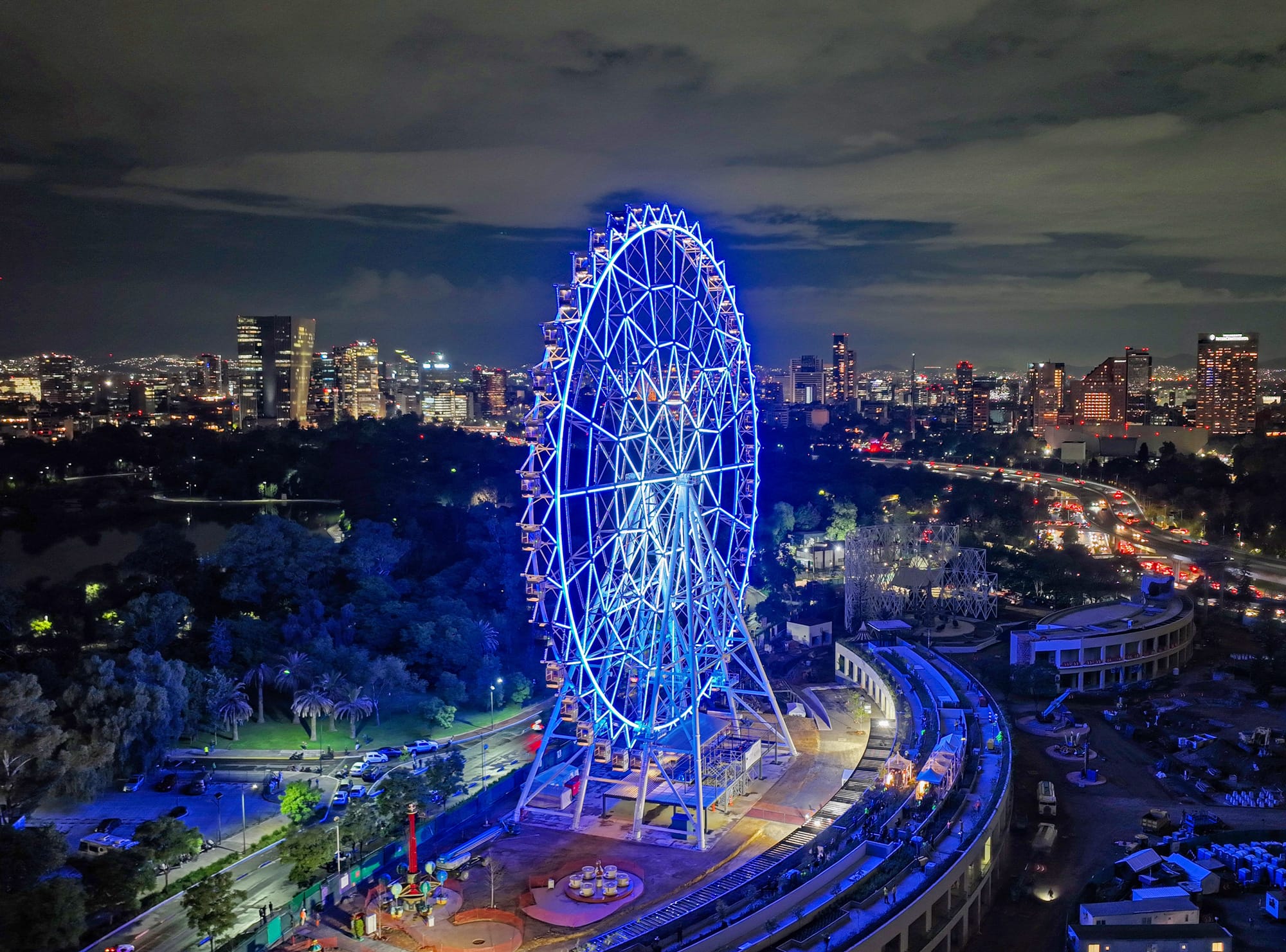
The size matters — but not in the way you think. A 20-meter wheel is fine for a small park. It gives you the visual presence without the massive foundation cost. But if you’re in a competitive market, going bigger — 40 or 55 meters — gives you a clear edge. People will drive past another park just to ride the “tall one.”
🌍 GEO Insight on Ferris Wheels
- Europe: Ferris wheels often sell better because they operate in colder weather.
- US: They’re more seasonal but work great as year-round photo ops.
- Asia: They’re often the “family photo spot” — the place where groups take memorable shots.
- Coastal areas: Consider corrosion-resistant materials. In windy regions, you’ll need a higher wind-load rating. These aren’t just tech details — they affect your yearly maintenance by thousands of dollars.
What to look for: Ferris Wheel 20M (entry-level), 40M (the sweet spot), 55M (landmark), 80M (destination ride).
3. Pendulum Rides – The Traffic Driver
If roller coasters are the anchor, pendulum rides are the social media engine.
I can’t tell you how many visitors I’ve interviewed who said, “We came because we saw the pendulum ride online.” That’s the power of this category. They’re photogenic. They’re loud. They look terrifying from the ground.
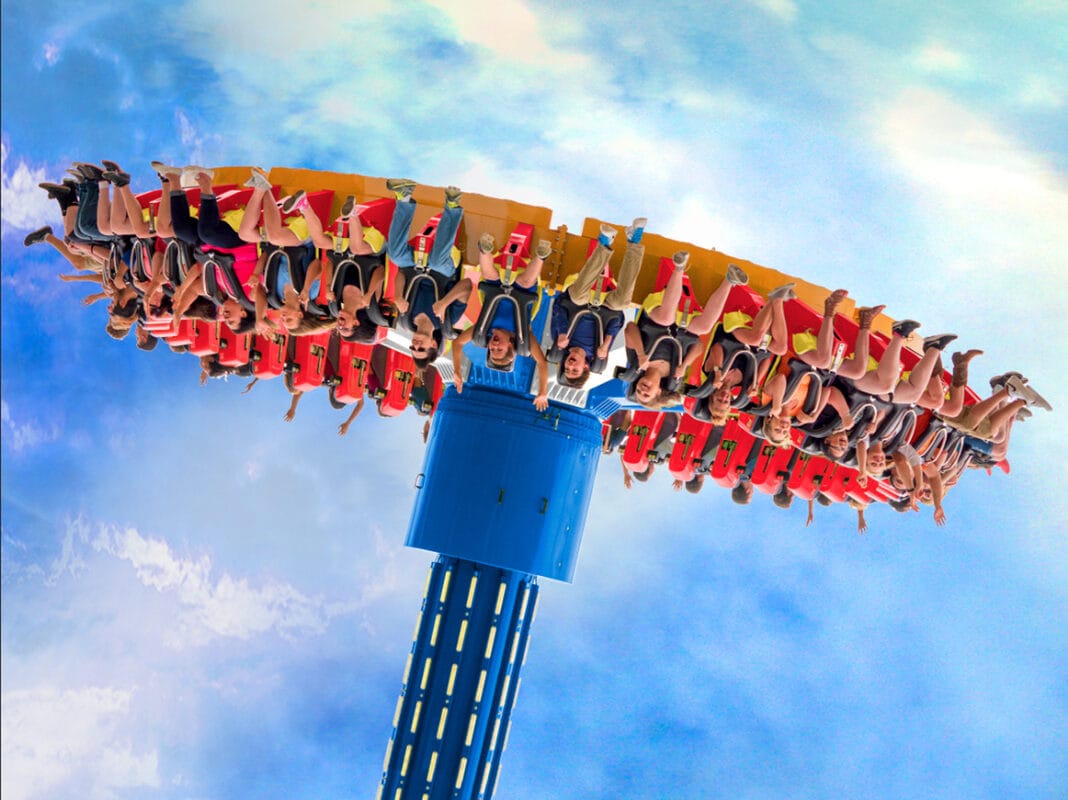
But here’s the practical reality. Pendulum rides have high throughput — meaning you can process a lot of riders per hour — and they have relatively low operating costs compared to coasters. The mechanical complexity is lower, the spare parts are cheaper, and they don’t require as much track maintenance.
The downside? They scare people. If you’re a family-focused park, a 40-seat giant pendulum might be overkill. The 16-seat or 24-seat models get you 80% of the visual impact with much lower intimidation factor.
What I’ve seen work: A park in Spain installed a 16-seat pendulum ride near their entrance. It created an immediate “wow” moment for entering visitors. Within three months, they reported a 15% increase in pass sales because guests wanted to come back and “beat the ride.”
What to look for: Discovery 16 (family-friendly), Discovery Revolution 30 (360° thrill), Giant Discovery 40 (signature attraction), Mini Pendulum Ride (entry-level).
4. Pirate Ships – The Crowd Pleaser
Every park needs at least one ride that looks like something recognizable, is accessible to most people, doesn’t require a lot of training to operate, and spits people out quickly.
That’s exactly what a pirate ship does.
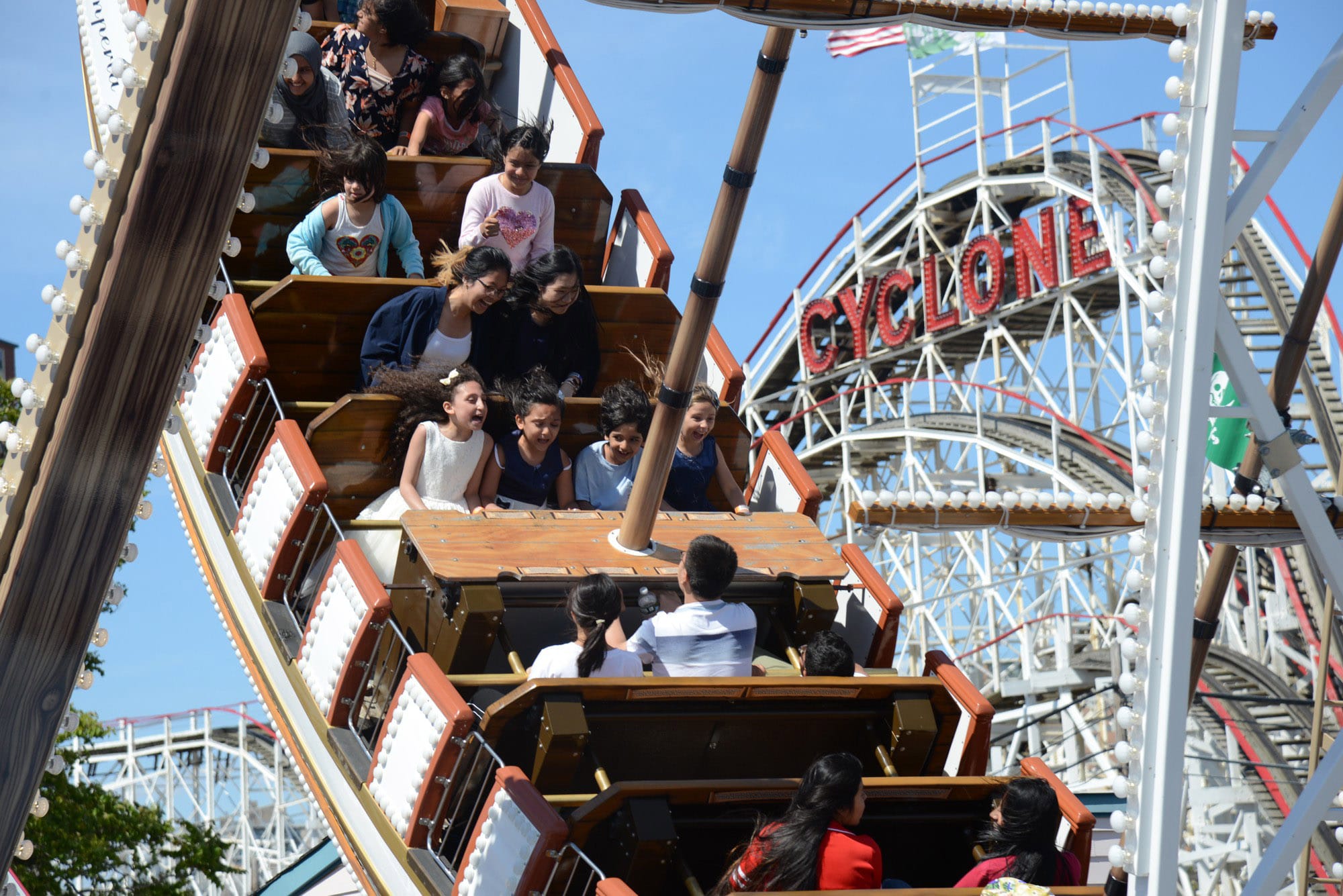
It’s the comfort food of amusement rides. Everyone knows what it is. You don’t need a manual to understand how it works. It’s safe, predictable, and reliable — which is exactly what you want for your baseline operations.
One operator told me: “I can run my pirate ship with two staff members. My coaster needs six. That’s a huge difference when you’re paying for labor in peak season.”
What to look for: Mini Pirate Ship (kiddie areas), 32-Seat Pirate Ship (standard), 42-Seat Pirate Ship (high capacity), Trailer Pirate Ship (traveling carnivals).
5. Family & Children Rides – The Revenue Repeater
This is where most parks get it wrong. They spend 80% of their ride budget on thrill rides and forget that families with kids under 12 are the people who actually visit more than once a year.
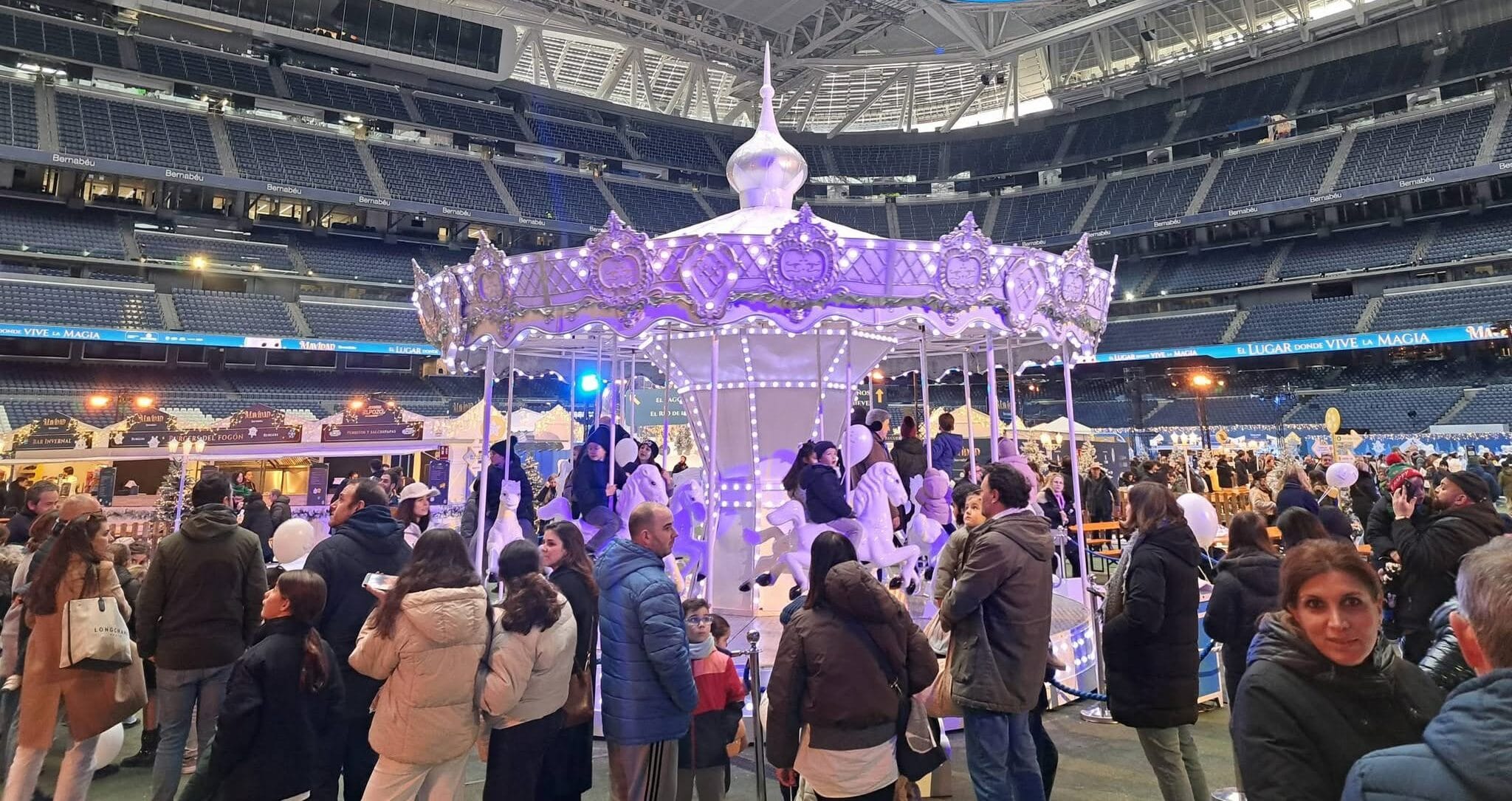
Here’s a stat that surprised me. In most regional parks, families with young children account for over 60% of repeat visits. They buy season passes. They come for birthday parties. They bring grandparents.
If you don’t have rides for them, you’re leaving money on the table. And the good news is, these rides are cheap to buy and cheap to run. A carousel costs a fraction of a coaster to maintain. A chicken ride or crazy bus needs one operator and almost no maintenance. The margins on children’s rides are excellent.
🌍 GEO Insight for Family Rides
- Regions with high birth rates: Prioritize children’s rides (e.g., Carousel, Crazy Bus, Chicken Ride).
- Tourist-heavy cities: You might want more thrill rides for young adult visitors.
- Hot climates: Drop Water Ride (with splash effect) is a huge hit.
Know your local population. It changes everything.
What to look for: Carousel, Crazy Bus, Drop Water Ride, Demolition Derby, Chicken Ride, Crazy Barn Ride.
What About the Rest? (The “Nice-to-Haves”)
Here are categories worth considering but not necessarily “must-haves” for every park:
- Tower Rides – great for thrill-seekers, but expensive to maintain. The hydraulic systems need constant attention.
- Self-Control Plane Rides – excellent for kids, but only if you have an operator who can supervise carefully.
- Speed Windmill – impressive but intense. Only for parks that specifically target thrill riders.
- Rotating Rides (Cups, Flying Chairs, etc.) – crowd-pleasers, but they’re not unique. They’re the “filler” rides that round out a lineup.
- Swing Rides (Flying Chairs) – charming but have lower throughput. You’ll need multiple smaller units rather than one big one.
A Quick Summary – What to Prioritize by Park Size
| Park Type | Must-Have #1 | Must-Have #2 | Must-Have #3 |
|---|---|---|---|
| Small Family Park (1–3 acres) | Family Coaster | Carousel | Mini Pirate Ship |
| Mid-Sized Regional (5–15 acres) | Family Thrill Coaster | Ferris Wheel 40M | 32-Seat Pirate Ship |
| Large Theme Park (20+ acres) | Thrill Coaster | Ferris Wheel 55M | Giant Pendulum |
| Traveling Carnival | Trailer Pirate Ship | Mini Ferris Wheel | Chicken Ride |
GEO Insights – What Actually Works Where
Just to give you a sense of what actually works in different places, based on real park visits and operator interviews:
🇺🇸 USA (Regional Parks)
- Coasters sell tickets. Family rides keep visitors coming back.
- Pendulum rides are the new standard for “social media moments.”
- Budget range: mid-range to premium. ROI is heavily tied to seasonal attendance.
🇪🇺 Europe (Permanent Parks)
- Ferris wheels are easier to operate in cooler seasons. People pay for views as much as thrills.
- Cast iron and classic designs sell better than neon-and-lasers.
- CE certification is strict — factor it into your supplier selection.
🌏 Southeast Asia (High Foot Traffic)
- Smaller rides with short cycle times (2-3 minutes) are more profitable.
- Outdoor parks need rides with large shade canopies.
- Budget: value-focused. Price sensitivity is extremely high.
🇦🇪 Middle East (New / Developing Parks)
- Destination rides (tall, fast, record-breaking) are the trend.
- Premium budgets, but huge maintenance costs.
- Local supplier support is critical — shipping spare parts from overseas is a nightmare.
🇧🇷 South America (Regional Operators)
- Affordable entry-level rides are the priority.
- Price sensitivity is high.
- Low operating costs and easy maintenance are deal-breakers.
📌 Final Takeaway
The question isn’t “What rides look impressive?” The question is “What rides help me hit my numbers?”
- Roller Coasters – anchor attraction, but keep it family-friendly
- Ferris Wheels – your park’s skyline and marketing billboard
- Pendulum Rides – social media engines with good throughput
- Pirate Ships – reliable crowd-pleasers with low labor costs
- Family & Children Rides – the repeat-visit revenue generators
Know your region. Know your audience. Build a lineup that works for your park, not for someone else’s Instagram feed.