Buying Guide · Sightseeing Trains
Trackless vs Track Train: Which One Fits Your Site?
Both are called "sightseeing trains". One runs on your existing pavement; the other needs a railway built first. The gradients, curves and budgets are not close — here are the real numbers from our factory floor.
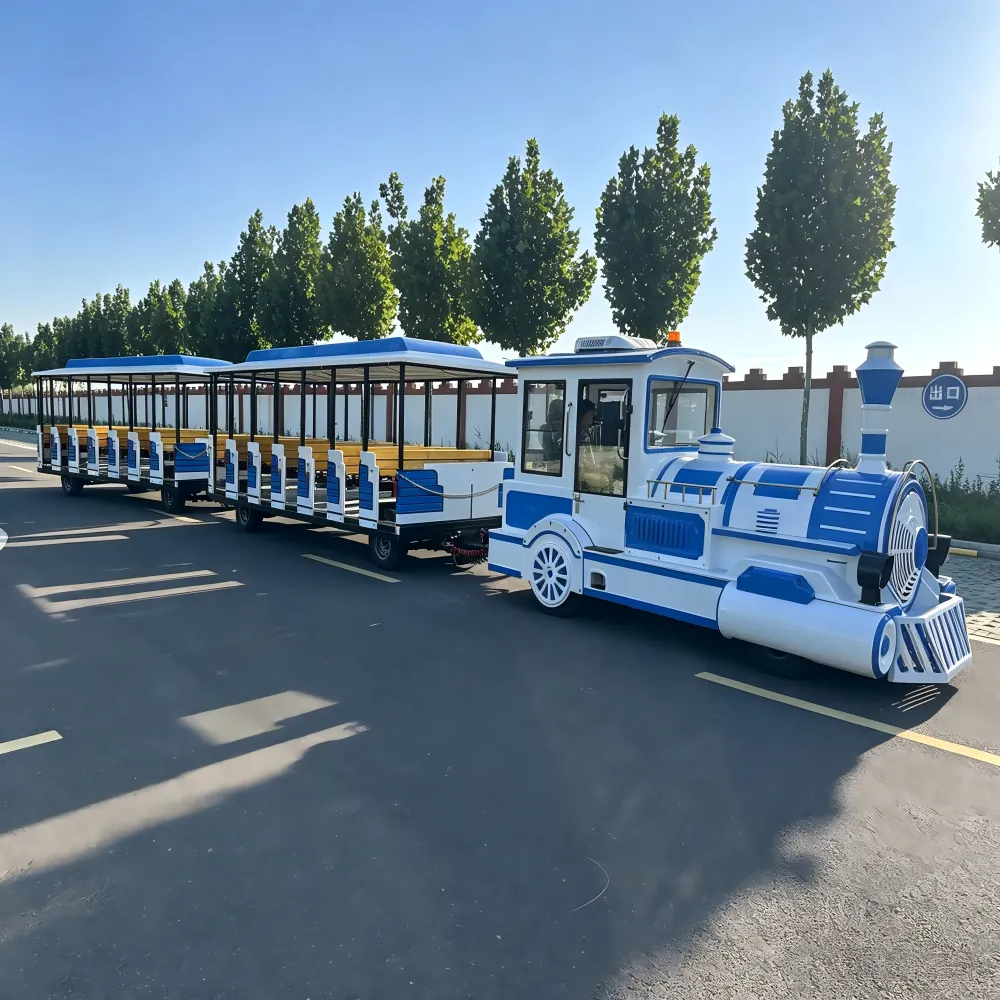
The trackless vs track train decision is the first fork in the road for anyone buying a sightseeing train, and it is decided less by taste than by three things: your slopes, your route, and whether you want to pour concrete before the train even ships. Get it wrong and you either build a railway you don't need, or buy a road train that can't climb your site.
01The difference in one sentence
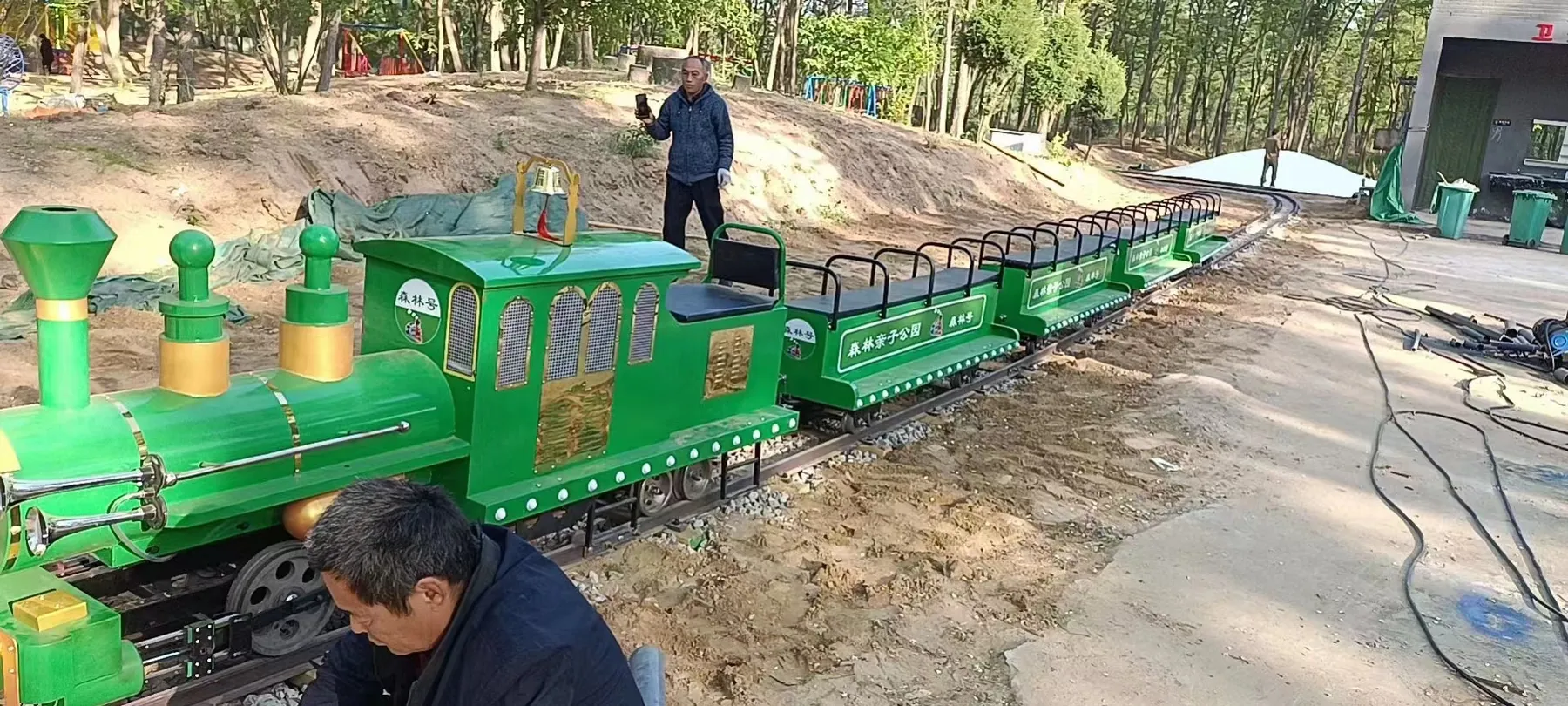
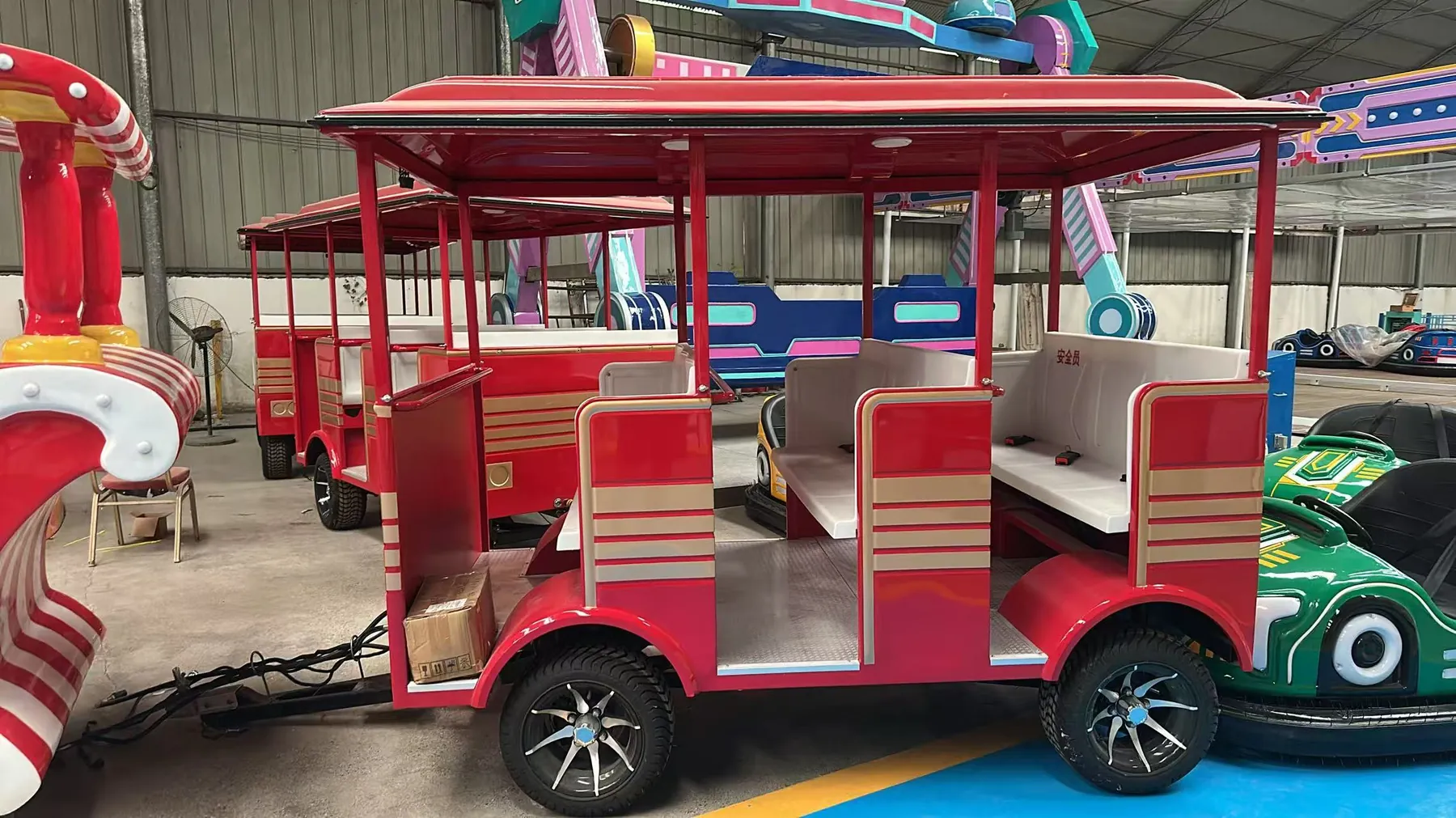
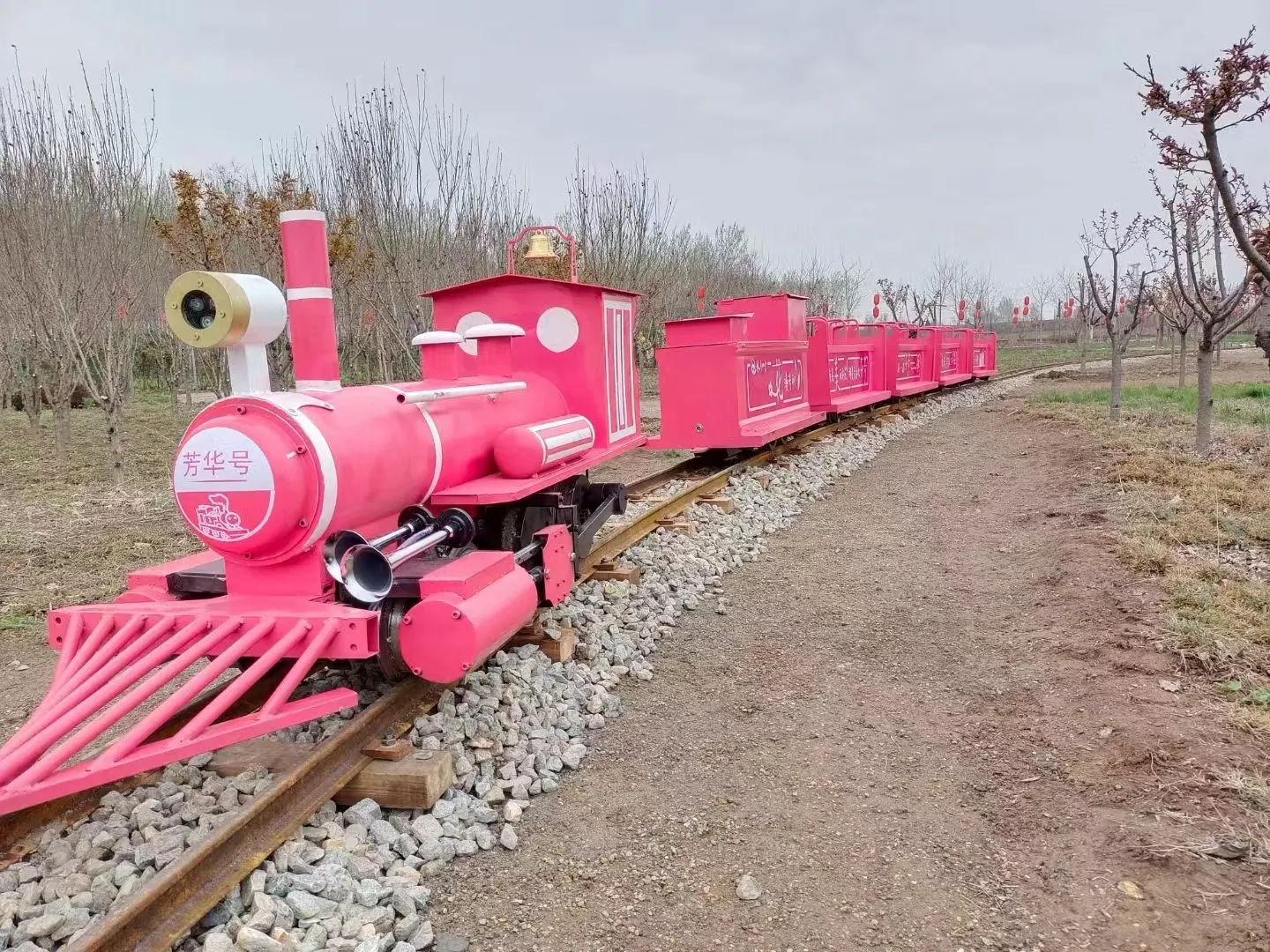
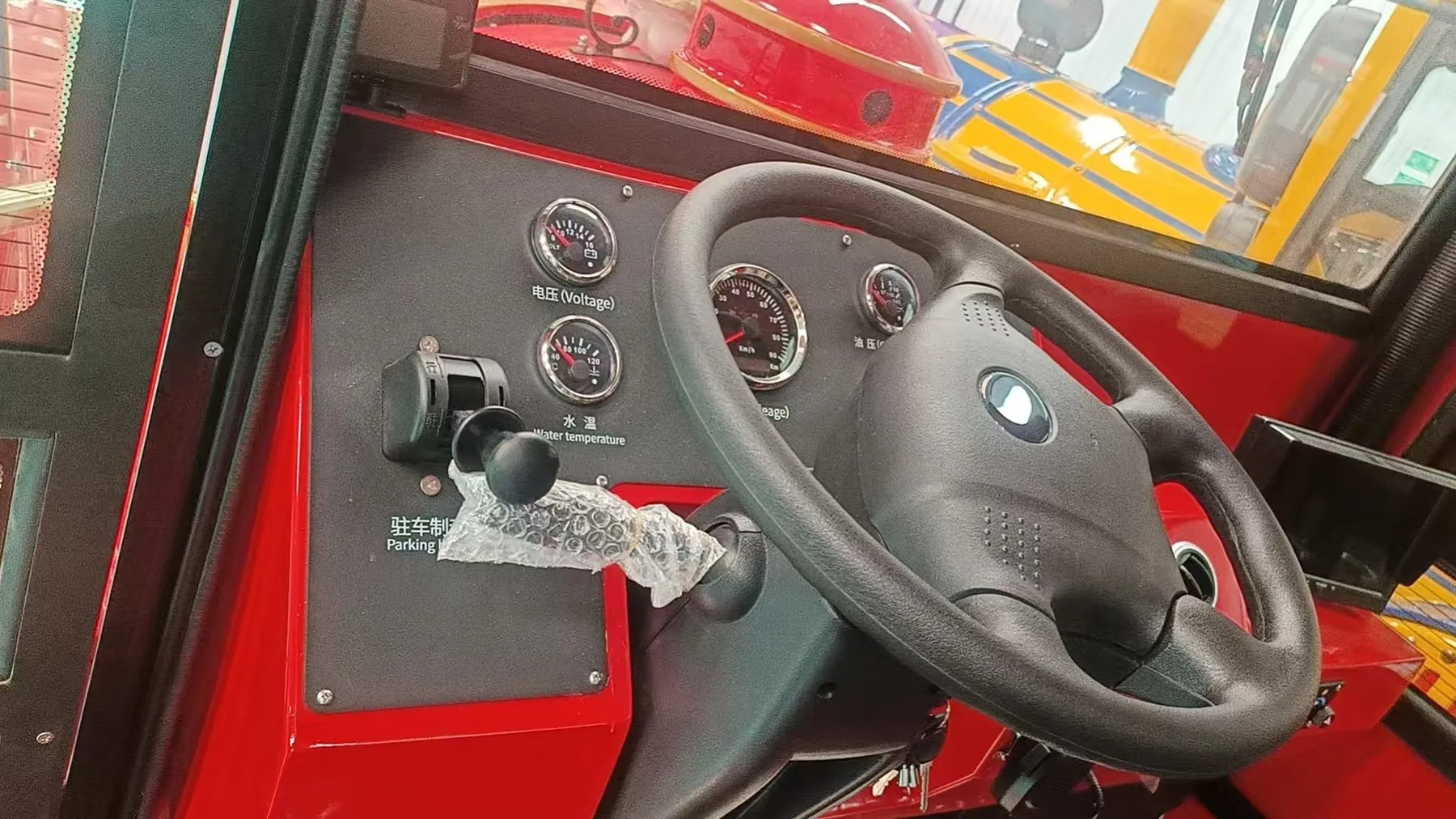
A trackless train is a road vehicle: rubber tyres, a steering head, carriages on tow bars. It runs on asphalt, concrete or compacted gravel and can be re-routed any morning. A track train is a real railway in miniature: 300 mm gauge steel rail on timber sleepers, a fixed loop, and wheels with flanges that cannot wander off the route.
02Your site answers the question first
Gradient — the hard stop
Our track train spec sheet caps the line at a 3‰ gradient — 0.3%. That is nearly flat. Rails on sleepers have almost no grip margin, so a rail loop needs level ground or terracing before a single sleeper goes down.
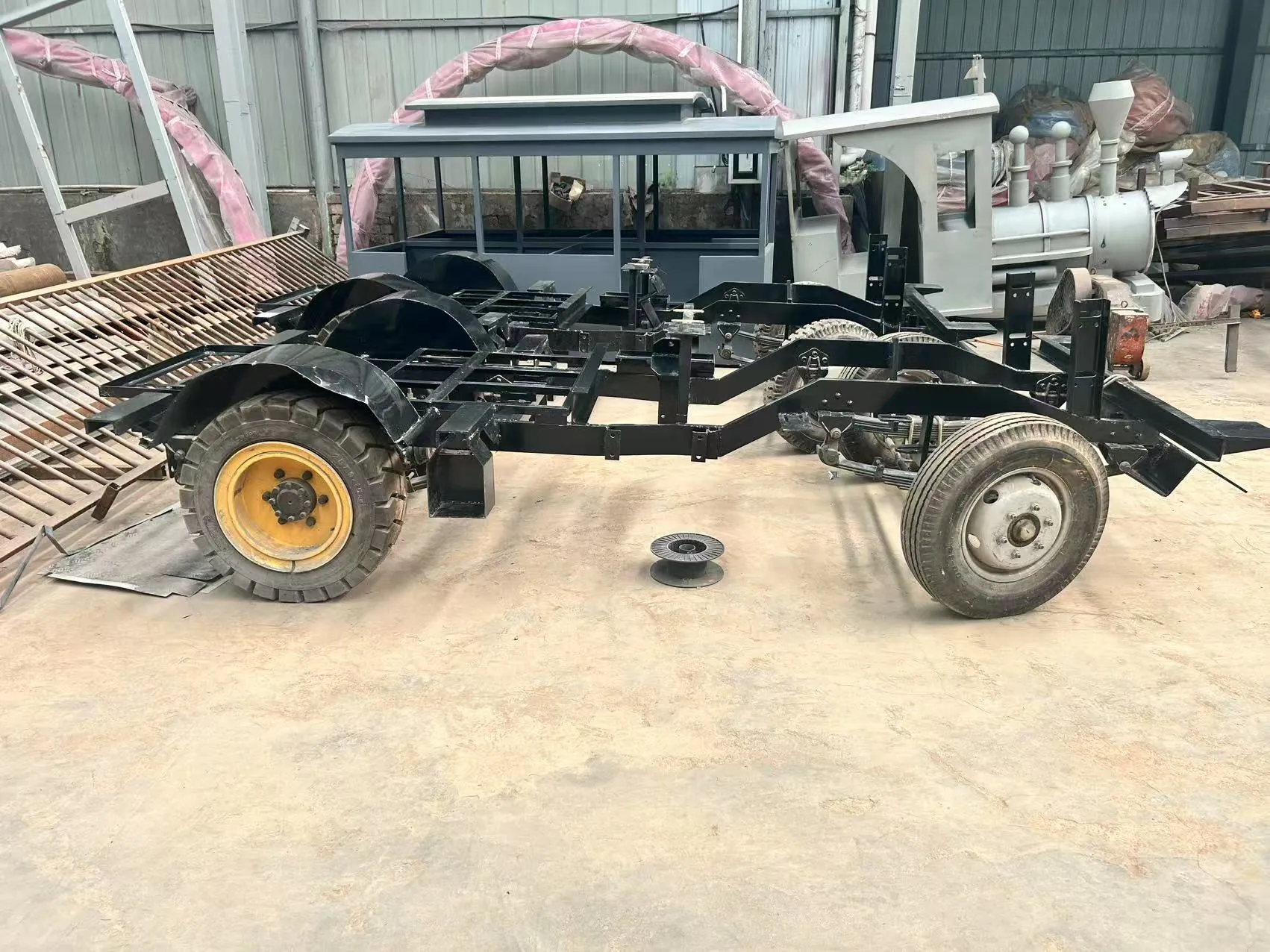
Trackless trains are road vehicles with rubber and real brakes. Our medium lithium model climbs up to 12% loaded (18% unloaded); the 27-seat configuration handles around 7% with the heavier battery pack, and the 15 kW motor version up to 20%. If your park has anything more than a gentle roll, this column alone decides it.
Turning geometry
A trackless train's turning radius runs from 3 m on small models to 6.6 m on the 27-seat and 7 m on the 72-seat. A rail loop needs a minimum curve radius of 6 m too — but once the rail is laid, the geometry is permanent. The train goes where the rail goes, forever.
Surface
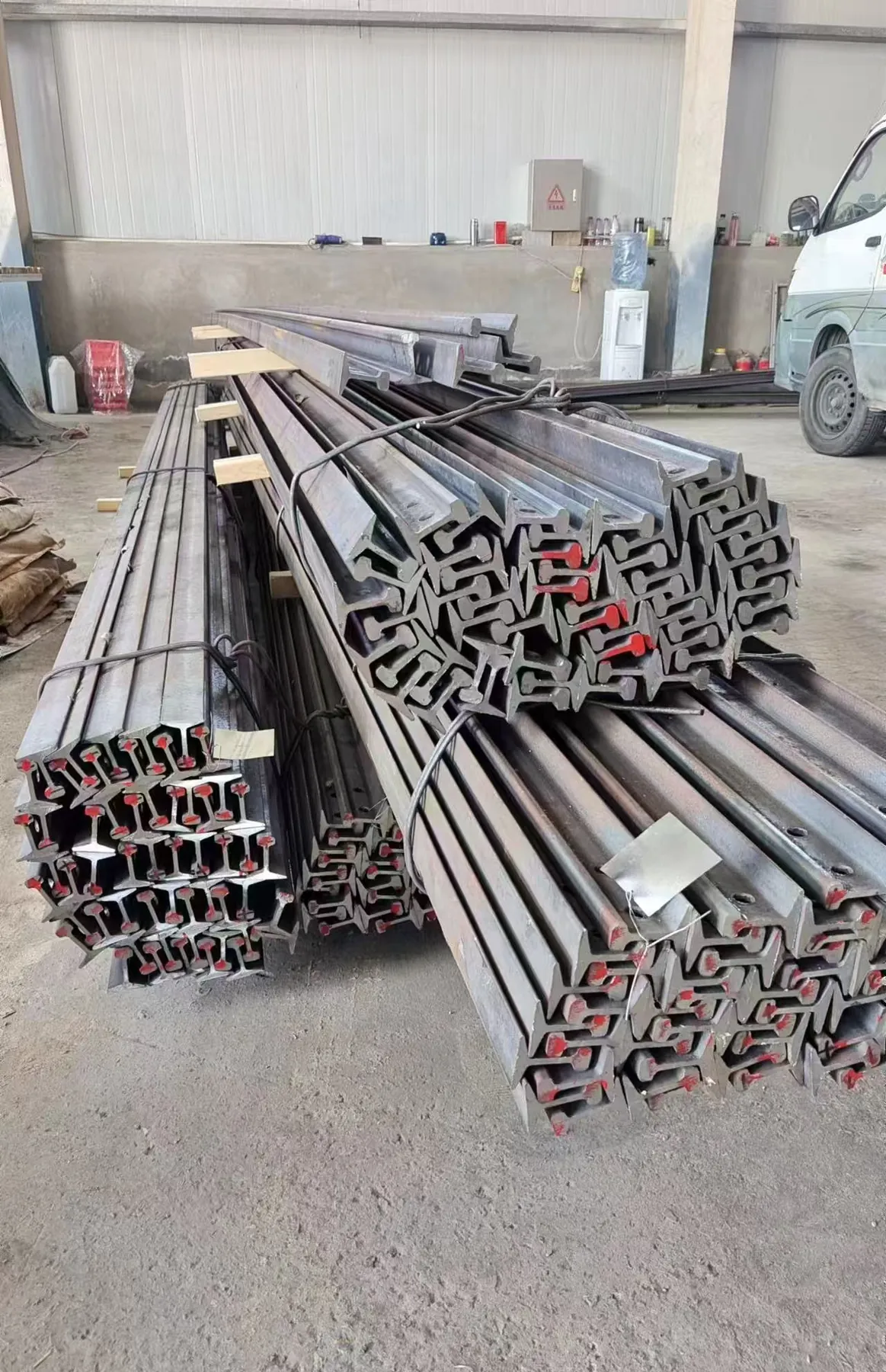
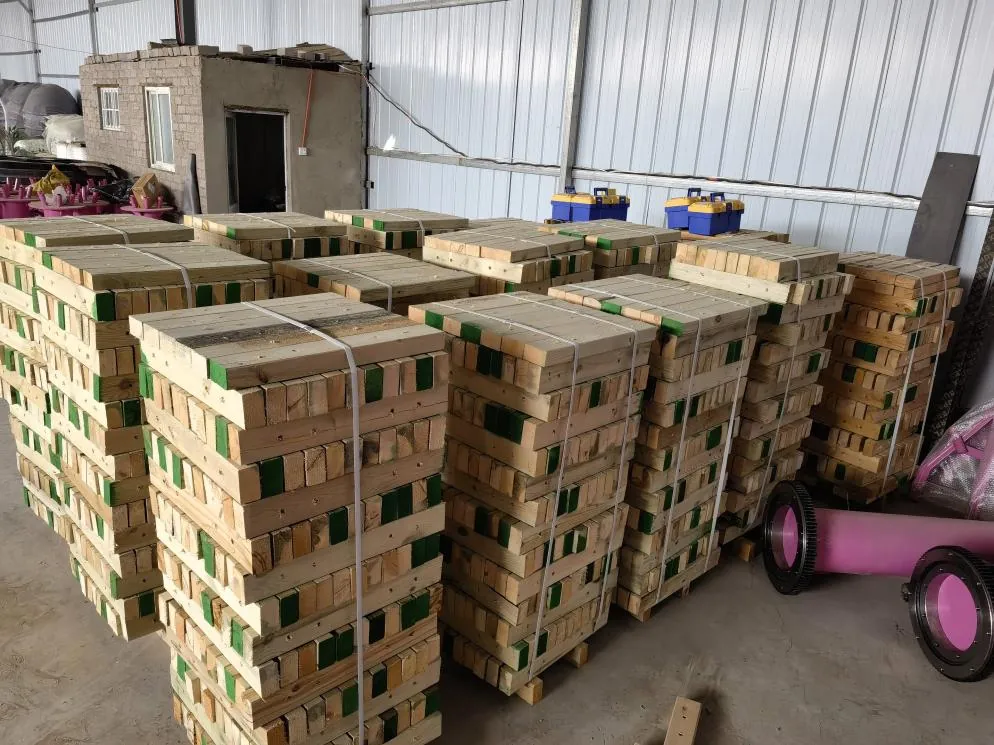
Trackless needs a hard, paved route and nothing else. Track needs a graded, levelled, drained right-of-way: rail, sleepers (100 × 60 mm fir on our spec), ballast and fixings.
03What the rails really cost
The track train itself is not the expensive part. The civil works are. A rail loop means earth levelling, drainage, ballast, sleepers, rail fixing — usually a local contractor's job, because shipping ballast across an ocean makes no sense. The rails and sleepers we ship; the ground works you source nearby.
And the relationship with the track doesn't end at delivery. Our maintenance sheet is blunt about it: check gauge, level and fasteners every 7 days. Vegetation, frost heave and settling all move a miniature railway more than people expect.
A trackless train skips all of it. Running costs come down to tyres, brakes and batteries — the same items as any small electric fleet. That is why most first-time buyers, and most mall and street operators, start trackless.
04Capacity, speed and range
The two formats overlap less than you'd think.
Track trains run 4–5 passengers per riding car across 4–5 cars — 17–21 seats in our standard sets, extendable to 6 cars. Speed is deliberately slow: 0–5 km/h adjustable, capped at 7 km/h, with a full-load emergency stop under 4 m. For a loop weaving between toddlers and strollers, that is a feature, not a limitation.
Trackless trains scale much higher: 16, 24, 27, 42, 58 or 72 seats, carrying 5–10 passengers per car. Speeds run 7.5–20 km/h depending on model. The 72-seat lithium set (72 V 420 Ah LiFePO4, 12 kW traction motor) covers 80+ km on a charge — a full operating day for most sites — and stops from full load within 5.5 m.
05Trackless vs track train at a glance
| Trackless train | Track train | |
|---|---|---|
| Route | Any paved surface, changeable anytime | Fixed 300 mm gauge rail loop |
| Max gradient | 7–20% by model | ≤3‰ (0.3%) — near level only |
| Turning / curve | 3–7 m turning radius | ≥6 m curve radius, permanent |
| Speed | 7.5–20 km/h | 0–5 km/h (max 7 km/h) |
| Capacity | 16–72 seats | 17–21 seats (up to 6 cars) |
| Power | Lithium 72V230–420Ah, lead-acid, or diesel | 48 V battery, 2.2–2.5 kW motor |
| Range / runtime | 80–100 km, 8–10 h | 6–8 h continuous |
| Civil works | None | Rail + sleepers + ballast + drainage |
| Upkeep | Tyres, brakes, batteries | Gauge & level check every 7 days |
| Relocate later? | Yes, drives onto a truck | Lift rail, rebuild the loop |
06Which one fits your site
Buy trackless when: the route mixes streets, plazas and park paths; your ground has real slopes; the budget needs phasing; you may relocate or expand the loop next season; or you operate in a mall/commercial street where rails are simply impossible.
Buy track when: the loop follows a fixed scenic line (orchard edge, lake shore, forest path); the "real little railway" itself is the attraction for young children; you want the gentlest possible ride for toddlers; or the rail corridor can become part of the landscaping — stations, signals, tiny bridges.
07FAQ
My site has a slope. Can a track train still work?
Only at 3‰ or less — 30 cm of rise per 100 m. Beyond that, the options are terracing the route (expensive) or going trackless, which handles 7–20% depending on model.
Do you ship the rails and sleepers with the train?
Yes — No.8 steel rail for the 300 mm gauge and fir sleepers ship with the set. Ballast, drainage and ground preparation are sourced locally; shipping stone overseas makes no sense.
Which is cheaper overall?
Per seat, a track set costs less than a trackless train — but add civil works and weekly track maintenance, and small trackless sets usually win on first-year total cost. We quote both against your actual site plan. Price ranges are in our sightseeing train price guide.
Can I start trackless and add a track loop later?
Yes, and many clients do — the trackless fleet keeps earning while the rail loop is built. The reverse (rails first, regret later) is harder to undo.
What about shipping documents for either type?
Battery-powered sets need UN38.3, MSDS and a sea freight appraisal; diesel versions need an emission certificate. The full checklist is in our import documents guide.
Send us your site, not your shopping list
A sketch of the route, the slopes, and how many riders per hour you need. The trackless vs track train question usually answers itself on the first drawing — we will come back with the format, the configuration, and an FOB price.
Get a recommendationOr browse the fleets: trackless trains · track trains
JHRides (Kaifeng Jinhui Amusement Equipment) · Track & trackless sightseeing trains, factory-direct since 2009. All specifications quoted from production documents; final configurations confirmed per order.